
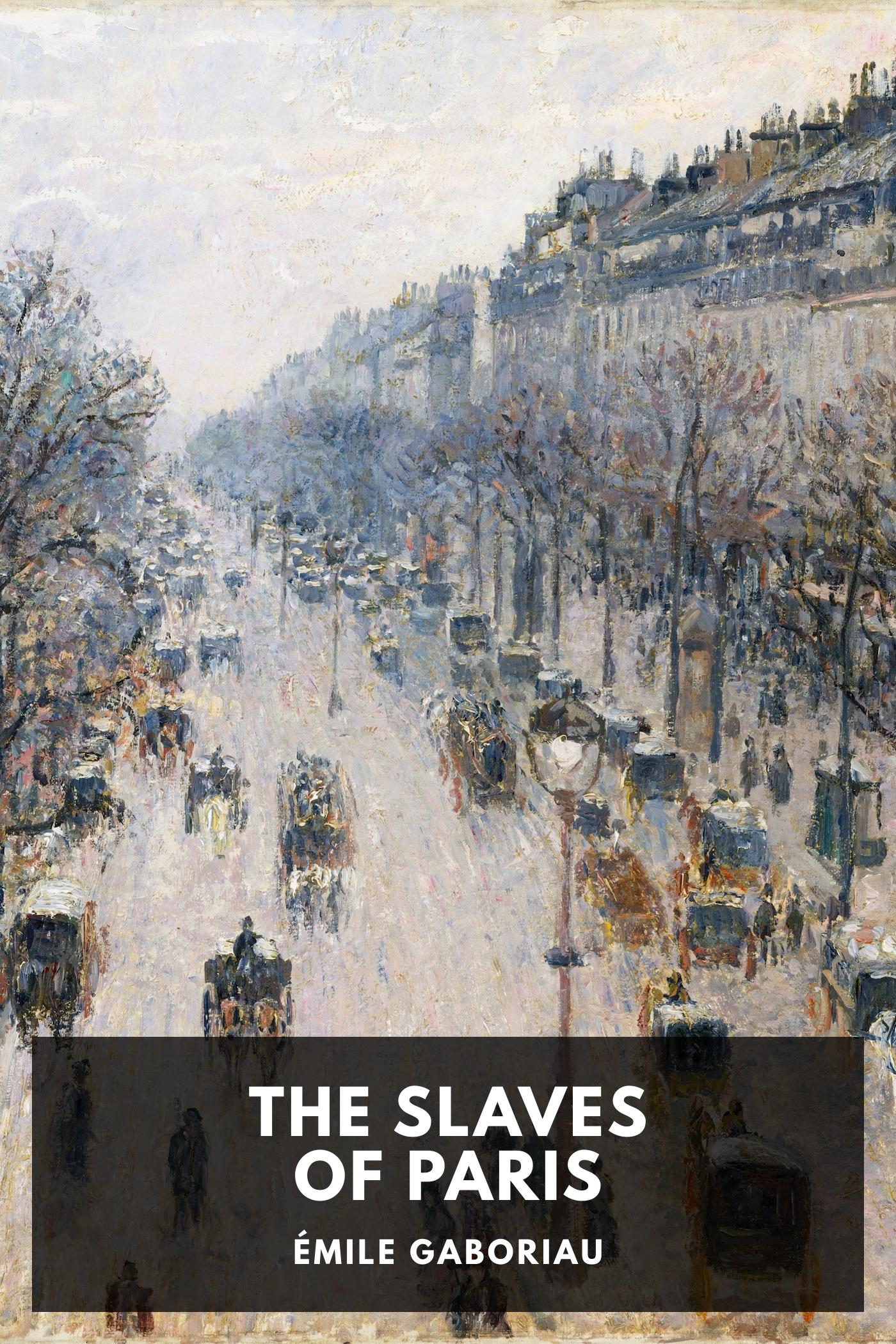
The Slaves of Paris
by
Published 1867
Language: EN-GB
0FictionMystery, Adventure
Description
"The Slaves of Paris" by Émile Gaboriau is a riveting narrative that unravels in the opulent yet unforgiving milieu of 19th-century Paris. The plot, akin to a complex tapestry, interweaves the lives of wealthy families and their seemingly benign secrets, which become the lifeblood of a cabal of unscrupulous blackmailers. These puppeteers of deceit construct labyrinthine schemes, exploiting not only the rich but also the unsuspecting lower-class individuals, who are ensnared into becoming the eponymous 'slaves' of their machinations. As the tale unfolds, it becomes a thrilling race against time to unmask the perpetrators and release the victims from their shackles, both literal and metaphorical.
Among the diverse cast of characters, the blackmailers stand out with their audacious cunning, while their victims evolve from gullible prey to resilient survivors. The character development is as intricate as the plot itself, mirroring the dualities of the society - the deceptive tranquility of the wealthy and the unsuspected resilience of the underprivileged. Gaboriau subtly yet masterfully explores the depths of human vulnerability and the heights of human tenacity, portraying a spectrum of characters who are as multifaceted as they are memorable.
In "The Slaves of Paris," Gaboriau goes beyond the veneer of a suspenseful narrative to delve into profound social commentary and psychological insight. The novel unflinchingly exposes the disparities of the era, painting a vivid picture of societal stratification where desperation and greed are as much a currency as wealth. It underscores the timeless themes of power, manipulation, and human resilience, making it a literary gem of its time. The historical context of post-revolutionary Paris adds another layer of complexity, offering an authentic backdrop to this engrossing tale.
For modern readers, "The Slaves of Paris" offers more than a gripping read; it provides a window into a bygone era, revealing universal truths about human nature and society that remain relevant today. The novel's enduring appeal lies in its exploration of timeless themes, alluring psychological depth, and its uncanny ability to transport readers into the heart of 19th-century Paris. Engaging with this work allows a deeper understanding of the historical nuances of the period, and the timeless nature of human resilience in the face of adversity. It is indeed a compelling exploration of the human condition, making it an enduring classic.
Reviews
Loading reviews…
Frequently asked questions
- Is The Slaves of Paris free to read on EchoLit?
- Yes — The Slaves of Paris by Émile Gaboriau is free to read on EchoLit, on the web and in the iOS and Android apps.
- Does The Slaves of Paris have an audiobook on EchoLit?
- Not yet — The Slaves of Paris does not have an audiobook on EchoLit yet.